BERLIN, GERMANY

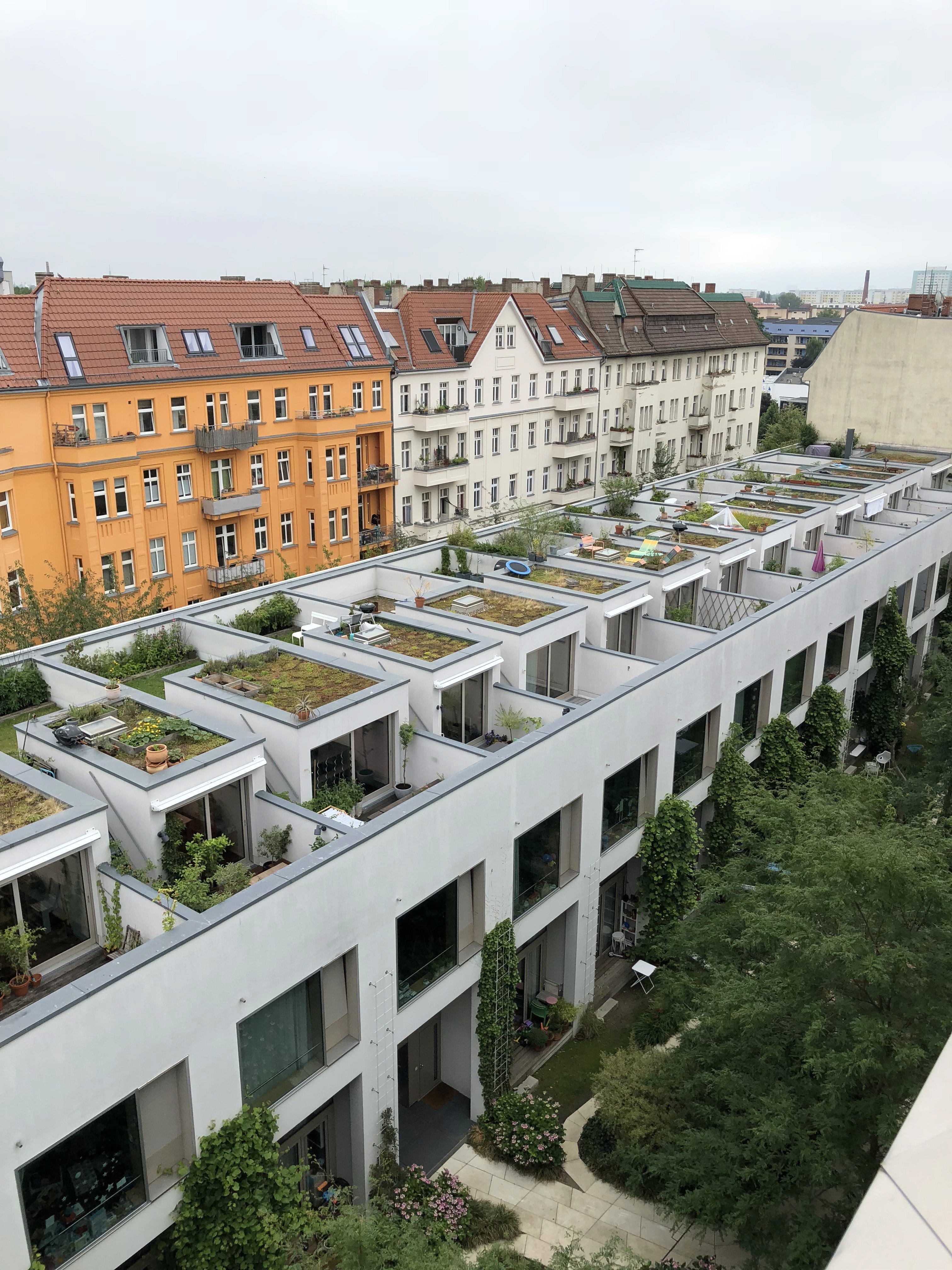
Bürgeramt, Berlin 2018
The Incomplete City
At the beginning of architecture school, I was taught the concept of design intentionality, the careful awareness of space versus void, of what is built and what is deliberately left empty. It always felt controlled, almost precise. Void was something you decided on. Something you drew. But walking through Berlin, that idea started to feel… a little too neat. There’s something different about the emptiness here. It doesn’t feel designed, it feels inherited. You turn a corner and a block just opens up. A gap. A pause. Not a plaza, not a courtyard, not anything that feels intentional in the way we’re taught to design. And yet, it stays.
Void is typically framed as a conscious act; carved, measured, composed. In Berlin, that assumption quietly falls apart. The city’s emptiness reads less like design and more like residue. The aftermath of World War II and the imprint of the Berlin Wall are still there, not always in obvious monuments, but in these subtle spatial breaks. Spaces that don’t quite resolve, that don’t try to. And honestly, that’s what stuck with me the most, the fact that they’re still there. They interrupt everything I was trained to expect. Streets lose their edges, buildings sit next to open ground without really “talking” to each other, and the rhythm just… drops. My first instinct was to fix it in my head. Add something. Fill it. Make it make sense. But Berlin doesn’t seem interested in that. It lets the gap exist. It almost trusts it.
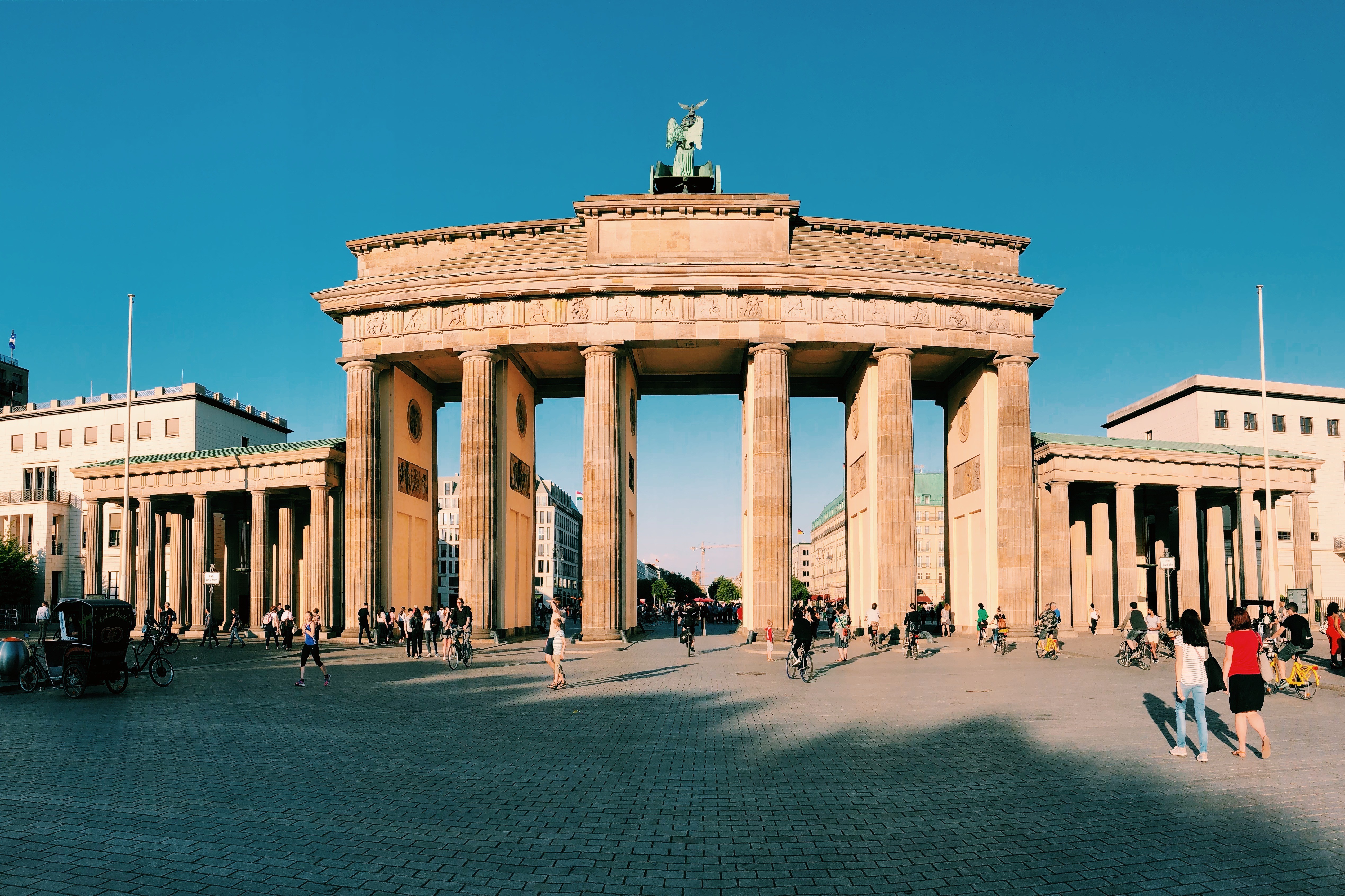
The more time I spent there, the more it started to feel less like a design failure and more like a cultural choice. Berlin is a city that’s been broken, divided, rebuilt, and redefined over and over again. That history; imperial ambition, war, separation, reunification, doesn’t just show up in museums or landmarks. It shows up in how space behaves. During the Cold War, two completely different urban worlds existed side by side, and even now, you can still feel that duality lingering in the fabric of the city. There’s a kind of openness that comes with that. A tolerance for things not being fully resolved. Spaces that aren’t over-designed, edges that don’t quite meet, moments where the city just pauses instead of explaining itself. And instead of feeling unfinished in a negative way, it feels… honest. It made me rethink what intentionality actually means. Maybe it’s not always about shaping every piece of space. Maybe sometimes it’s about choosing not to. About recognizing when something already carries enough weight on its own.
In Berlin, void stops being just empty space. It becomes a record; of conflict, of division, of time passing. And designing in a place like that feels less like completing something, and more like deciding what not to overwrite. That shift, for me, was unexpected. And honestly, kind of freeing.
The Incomplete City
At the beginning of architecture school, I was taught the concept of design intentionality, the careful awareness of space versus void, of what is built and what is deliberately left empty. It always felt controlled, almost precise. Void was something you decided on. Something you drew. But walking through Berlin, that idea started to feel… a little too neat. There’s something different about the emptiness here. It doesn’t feel designed, it feels inherited. You turn a corner and a block just opens up. A gap. A pause. Not a plaza, not a courtyard, not anything that feels intentional in the way we’re taught to design. And yet, it stays.
Void is typically framed as a conscious act; carved, measured, composed. In Berlin, that assumption quietly falls apart. The city’s emptiness reads less like design and more like residue. The aftermath of World War II and the imprint of the Berlin Wall are still there, not always in obvious monuments, but in these subtle spatial breaks. Spaces that don’t quite resolve, that don’t try to. And honestly, that’s what stuck with me the most, the fact that they’re still there. They interrupt everything I was trained to expect. Streets lose their edges, buildings sit next to open ground without really “talking” to each other, and the rhythm just… drops. My first instinct was to fix it in my head. Add something. Fill it. Make it make sense. But Berlin doesn’t seem interested in that. It lets the gap exist. It almost trusts it.
The more time I spent there, the more it started to feel less like a design failure and more like a cultural choice. Berlin is a city that’s been broken, divided, rebuilt, and redefined over and over again. That history; imperial ambition, war, separation, reunification, doesn’t just show up in museums or landmarks. It shows up in how space behaves. During the Cold War, two completely different urban worlds existed side by side, and even now, you can still feel that duality lingering in the fabric of the city. There’s a kind of openness that comes with that. A tolerance for things not being fully resolved. Spaces that aren’t over-designed, edges that don’t quite meet, moments where the city just pauses instead of explaining itself. And instead of feeling unfinished in a negative way, it feels… honest. It made me rethink what intentionality actually means. Maybe it’s not always about shaping every piece of space. Maybe sometimes it’s about choosing not to. About recognizing when something already carries enough weight on its own.
In Berlin, void stops being just empty space. It becomes a record; of conflict, of division, of time passing. And designing in a place like that feels less like completing something, and more like deciding what not to overwrite. That shift, for me, was unexpected. And honestly, kind of freeing.
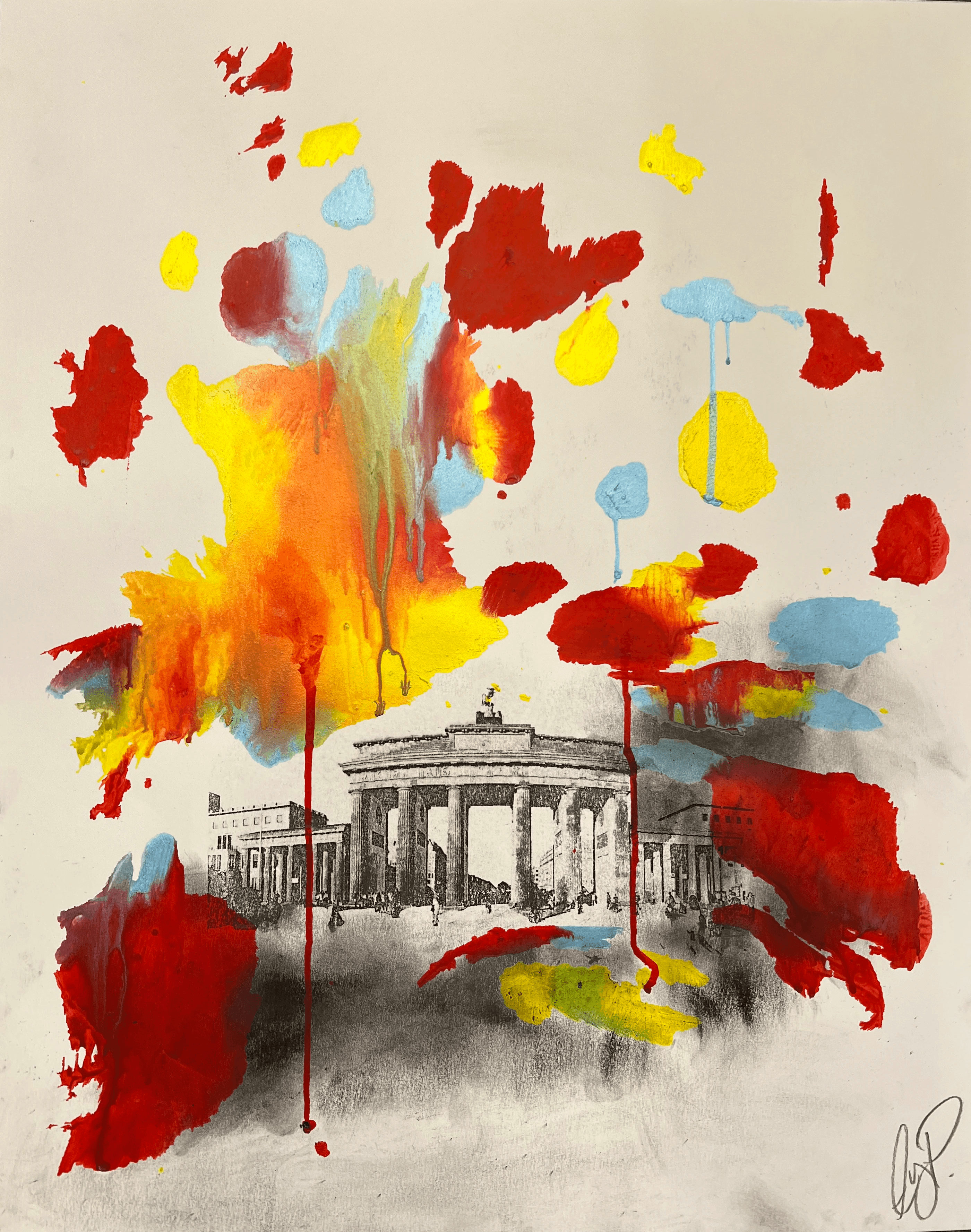
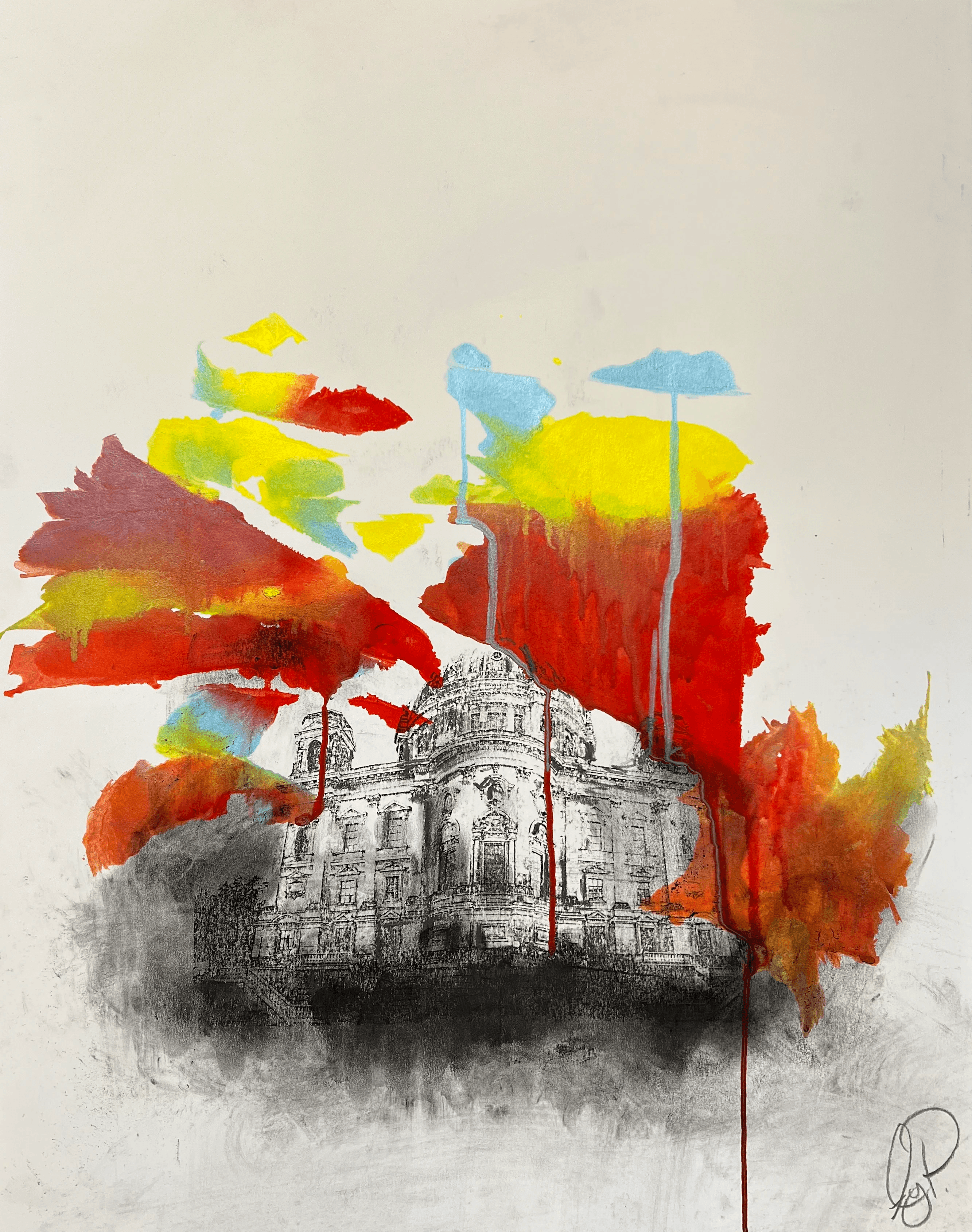
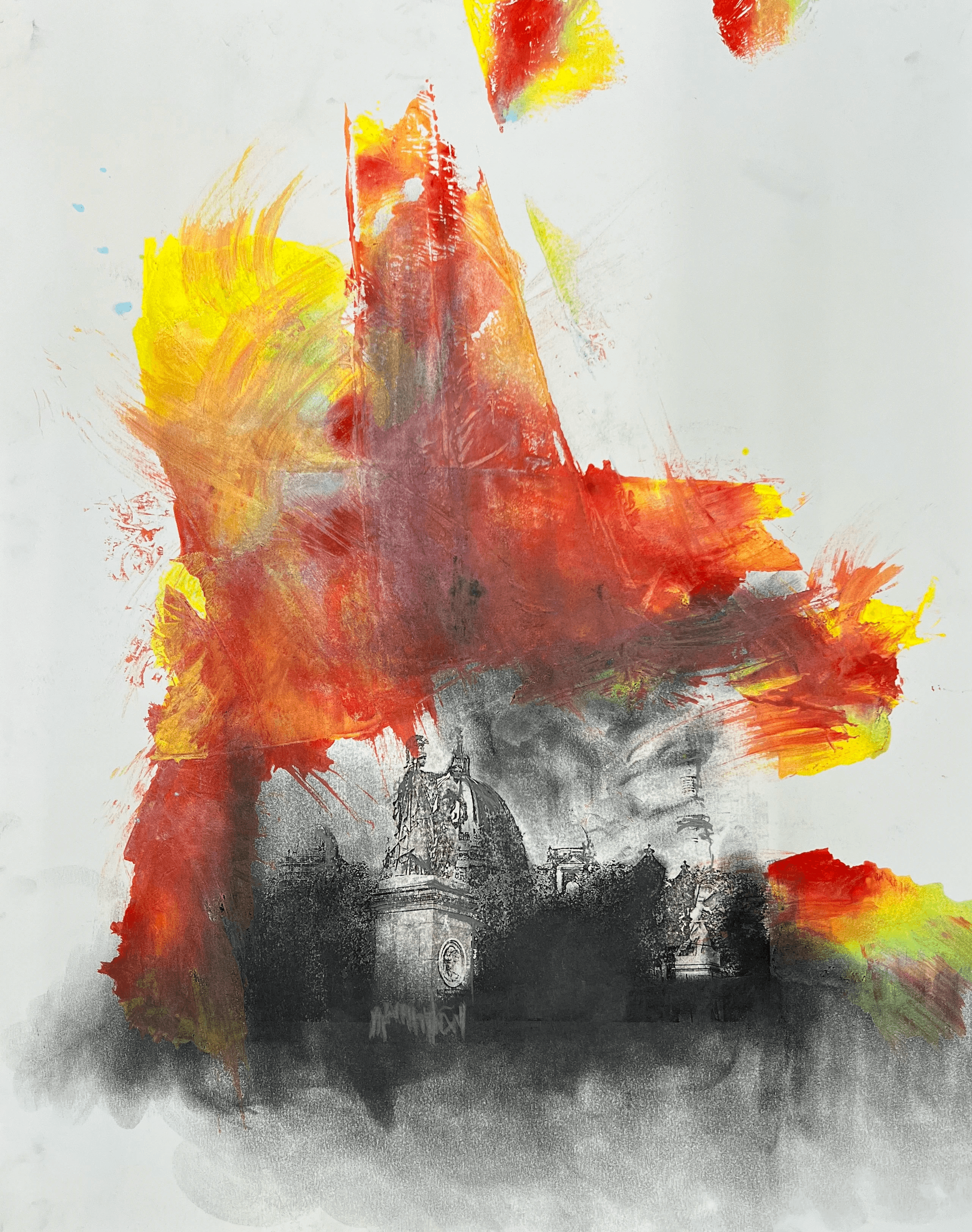

Inherited Voids : A Mixed Media Series
Inherited Voids : A Mixed Media Series